By Clare Yates
5 min read
5 min read

Most standard home insurance policies include cover for storm damage. But it’s important to understand what’s covered, what isn’t, and what to expect when you need to make a claim.
We’re no strangers to wild weather in the UK. From gale-force winds to torrential rain, storms can strike at any time of year, and they often leave a trail of damage behind them.
According to industry reports, over a fifth of UK homes (22%) have suffered storm damage in the last five years. And with climate change increasing the likelihood of extreme weather events, it’s more important than ever to make sure your home is properly protected.
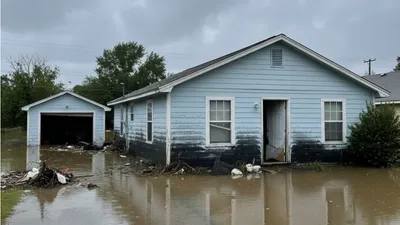
Storms can affect homes in all sorts of ways, some obvious, some not so much. Here are a few of the most common issues homeowners face after a serious storm:
Broken or missing roof tiles, often the first sign of wind damage.
Water leaks caused by wind-driven rain getting into cracks or gaps.
Damage to fences, sheds and outbuildings, especially if they aren’t well secured.
Fallen trees or branches that can damage roofs, cars or power lines.
Flooding, often due to overwhelmed gutters or drains.
Chimney damage, either from loosened bricks or toppled pots
Damage to windows or doors, usually from flying debris.
Power cuts, which can knock out alarms or heating systems.
Even small issues arising from a storm, like a slipped tile or blocked gutter, can lead to bigger problems if not sorted quickly.
Most standard buildings insurance policies cover structural damage caused by storms, while contents insurance can help if the inside of your home is affected. The key thing is that the damage must have been caused directly by the storm.
A couple of leading providers we checked as an example say that they typically cover:
Roof damage caused by high winds or fallen debris.
Water damage if rain gets in due to storm-related damage.
Falling trees or branches, especially if they damage buildings or outbuildings.
Lightning strikes or power surges, including damage to electrical items.
Broken aerials or satellite dishes, depending on the policy.
Garages, conservatories or garden walls, if listed in the policy documents.
If you’ve got both buildings insurance and contents insurance in place, you’ll usually be in a good position to make a claim, provided your home was in good condition before the storm hit.
This is where it gets a bit trickier. While storm cover is fairly standard, insurers do have limits, and they might turn down your claim if certain conditions aren’t met.
A few providers we checked say they won’t cover storm damage in the following situations:
General wear and tear, including slow deterioration.
Failed render on the building exterior.
Poor maintenance, like loose tiles or blocked gutters.
Pre-existing damage. especially to roofs or chimneys.
Fences, gates and hedges, which are often excluded altogether.
Frost damage:or gradual issues from long-term exposure.
Damage from water ingress where the structure wasn’t damaged by the storm.
Claims where there’s no record of a storm in your area at the time.
This is why keeping up with home maintenance is so important. It also shows why comparing insurers matters too, as some may be more flexible than others and you’ll be able to shop around for the best price and cover.
You might think it’s obvious when a storm has hit, but insurers have their own definition.
Lenders will typically stipulate a storm involves:
Wind speeds of 55mph or more.
Heavy rainfall, hail or snow falling over a short period.
Widespread damage reported in your area during the same timeframe.
If the damage to your home is isolated and there’s no evidence of storm conditions nearby, the insurer might argue that the problem was due to wear and tear or a lack of upkeep.
If your home has been hit by a storm and you think you need to claim, here’s what to do:
Document the damage: Take clear photos of everything affected, inside and out.
Don’t throw anything away: Keep damaged items if it’s safe to do so.
Contact your insurer quickly: Insurers usually expect prompt claims.
Get emergency repairs if needed: Keep receipts for anything you spend.
Some insurers offer a 24/7 emergency helpline, so it’s worth checking if your policy includes this.
While you can’t control the weather, there are a few things you can do to reduce the risk of storm damage to your home:
Check your roof, look for cracked tiles or loose flashing.
Clear your gutters, especially in autumn and winter.
Trim trees and branches near your home or power lines.
Secure garden furniture and store loose items during storms.
Maintain fences and sheds to stop them becoming a hazard.
Storm damage is usually included with standard buildings insurance, but it’s always worth double-checking your policy documents. Some cheaper or basic policies may have exclusions, especially if you live in a higher-risk area.
If your home has been affected by storms in the past, or you live somewhere prone to strong winds or flooding, you may need to look into specialist home insurance. These policies are designed to offer extra protection for properties at higher risk.
Storm damage can be sudden and stressful, but having the right home insurance can take a lot of the worry away. Make sure your policy gives you the cover you need, and don’t be afraid to shop around if your current deal doesn’t tick all the boxes.
If your home is well maintained and you’re prepared for bad weather, you’ll be in a much better place when the next storm rolls in.
Our expert panel review all content. Learn more about our editorial standards.